
11 Tips For Growing Tomatoes
This post may contain affiliate links, my full disclosure can be read here. As an Amazon Associate I earn from qualifying purchases.


Looking for ways to improve your tomato harvests? Don’t miss these tips for growing tomatoes in your garden. From planting tips to daily care, you’ll learn how to have thriving tomato plants.
Tomatoes have to be the most popular vegetable grown in backyard gardens, and for good reason. They are overall easy to grow, tasty, and have so many uses, fresh or cooked.
But they do have some needs that, if you don’t provide, you will struggle to get good yields of tomatoes.
If you would like to grow great tomatoes consistently, try implementing these easy tips to help you grow large harvests of organic tomatoes from your garden.

Tips For Growing Great Tomatoes
1. Give Tomatoes Lots of Sunlight
Whether you are growing tomatoes in the ground or in containers, make sure they are planted in a sunny area. Tomatoes will grow in shady areas, but they will struggle to produce fruit there.
By planting them in an area that gets 8–10 hours of sunlight in the summer, they will produce much better.
2. Provide Tomatoes With Warmth

Tomato plants need warmth to grow well. You will want to wait until your soil has warmed up before planting the tomatoes in your garden.
If you’re having a cool summer, but your last frost date has already past you can lay black plastic onto the garden soil for a few days to warm it up before planting.
One of the most effective ways of giving tomatoes the extra warmth they need is to cover them with plastic or a floating row cover when you plant.
A traditional way in our area is to place 4 wooden stakes around the plant in a square. Then take a large, clear garbage bag, cut the bottom off of it, and place it over the stakes. Pull it up until it’s tight.
This creates a mini-greenhouse around the tomato plant, providing heat and wind protection. You can remove it once the plant is growing well.
If you are growing a large number of tomatoes, it’s easier to use a floating row cover and hoops to provide warmth and protection to tomato plants.
3. Provide Air Circulation
One of the biggest problems with tomatoes is blight and other molds. By giving enough space between your tomato plants when you plant your garden, you will greatly reduce the mold and fungus problems in the garden.
We plant our tomatoes very intensively and space them no closer than 1 foot apart, but prune them well to have open plants. This works well if you are growing indeterminate (vining) tomatoes.
If you’re growing determinate (bush) tomatoes, then you need to give them more space between the plants because they grow much bushier, and you can’t prune them the same way as indeterminate tomatoes. For the best results, plant determinate tomatoes 18 to 24 inches apart.
4. Plant Tomatoes Deep
Make sure to plant the tomatoes deep for the best results. Tomato plants will grow roots along the stem where it touches the soil. So burying the plants deeply when you are transplanting the seedling into your garden will help to encourage a large root system.
You can plant tomatoes right up to 1 inch below the bottom set of leaves.
You can also plant tomatoes horizontally in a trench, leaving just the leafy top out of the ground. The plant will soon start to start to grow upwards.
Planting tomatoes deeply also helps to protect and strengthen the stem from strong winds.
5. Grow Tomatoes In Rich Soil
Tomatoes are heavy feeders that grow best in rich soil. They also have large root systems, and just adding a few inches of compost to the top of your garden isn’t enough.
For best results, make sure your garden has at least 6 inches of good-quality, nutrient-rich compost. 12 inches is even better if you can build your garden beds that deep.
Top your garden beds up with 1 to 2 inches of good compost each year. This will help to provide the nutrients the tomato plants need to grow large and healthy.
6. Prune Flowers And Suckers
If you are growing determinate (bush) varieties of tomatoes, you do not want to prune them much. If you do, then you will reduce the amount of fruit the plant will produce.
For determinate tomatoes, you should prune off the leaves that are below the first set of flowers. Do not pinch off the flowers or suckers from these types of tomatoes.
Indeterminate (vining) tomatoes are different because, while determinate tomatoes will grow to a set bush size and set their fruit mostly at the same time, then stop growing, indeterminate tomatoes will keep growing until killed by frost.
If you are growing indeterminate tomatoes, you will also want to prune off the leaves on the bottom of the plant. As it grows, it is best to keep 1 foot of the stem bare. This helps to protect it from soil-borne diseases getting splashed up on the leaves when it rains.
You can also pinch off the flowers until the plant reaches at least 12 inches in height. This will encourage it to put more energy into growing strong roots.
Suckers need to be removed from indeterminate plants if you are going to grow them as a long vine. If the suckers are left on the plant will form a huge bush that gets difficult to manage.
7. Support Tomato Plants
Gardener’s Supply Company Lifetime Tomato Cages, Heavy Gauge, Set of 4
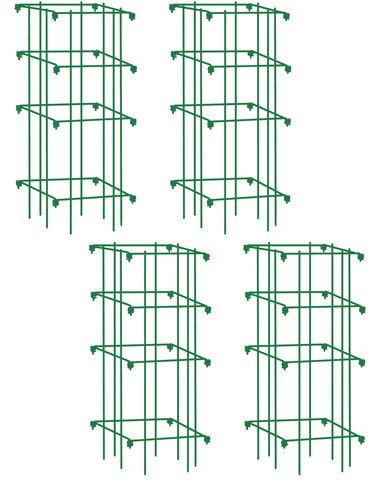
When you allow tomato plants to lay on the ground, your plants and fruit are much more susceptible to diseases and pests. Instead, use cages, stakes, or trellises to keep the tomato plants growing vertically.
Tomato vines sprawling along the ground also takes up valuable space in your garden. Not to mention it’s also much harder on your back to have to bend over and dig through the leaves to harvest tomatoes.
It’s important to have strong tomato cages to support your plants. The small ones found in many garden centers are just too weak to properly support tomato plants. You will want strong tomato cages like these.
8. Fertilize Tomatoes
Tomatoes are heavy feeders and really need rich soil and fertilizer throughout the growing season.
Make sure to add 1 to 2 inches of good compost to your garden each year. Then, when the first fruits start to appear on the tomato plants, it’s time to fertilize them again.
You can side-dress the plants with more compost, which will continue to provide nutrients to the plants for the rest of the growing season.
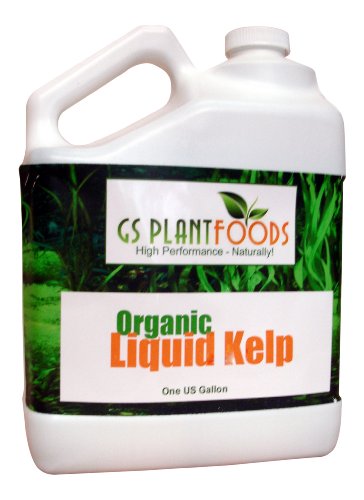
Another easy way that we fertilize our tomatoes is by watering with compost tea, fish emulsion or liquid seaweed. We fertilize with compost tea every two weeks with amazing results.
One of the most important tomato planting tips we started doing a few years ago is adding fertilizer to the planting hole.
Now, many people will add a granular fertilizer to the bottom of the planting hole, and yes, you can do that. But we have found it works better to make the planting hole and fill it up with liquid fertilizer, drop the tomato plant into the hole, and cover it.
Safergro Aqua Power Certified Organic Fish Emulsion Concentrate, 1-QuartLiquid Kelp Organic Seaweed Fertilizer 1 Gallon
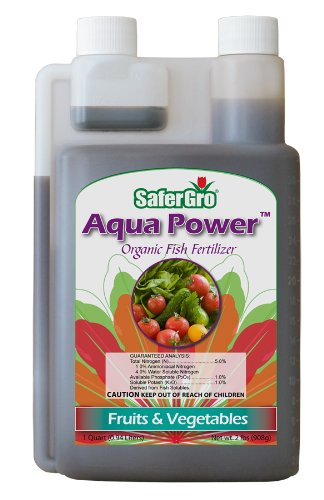
We use liquid fish emulsion when we plant this way, and it has completely stopped the transplant shock that you normally see in tomato plants. Instead, they are healthy, dark green, and off to a good growing start instead of whistling and getting set back for days.
9. Succession Plant
If you are growing determinate tomatoes and want to be able to harvest over a longer period of time you can try succession planting.
This can be done 2 ways both are very easy.
The first way is to start the second batch of tomatoes from seed, 3 weeks after your first seedlings. These will be planted into the garden 2 to 3 weeks after the first transplants.
They will mature slower and start producing a bit later in the season then your first tomato plants.
The second way is to grow tomatoes that have different days to maturity.
You could grow a 60-day tomato and a 75 or 80-day tomato, and they will start to produce fruit at different times, giving you a longer harvest.
Of course, if you’re going to grow indeterminate tomatoes, then you don’t need to worry about suspension planting or growing tomatoes of different day lengths. Since indeterminate tomatoes are vines that will continue to grow and set fruit right up until frost kills them in the fall.
10. Water Deeply
It’s important to water tomato plants regularly. This is even more important once they start to set fruit. Inconsistent watering is one of the main causes of blossom end rot in tomatoes.
As a general guideline, give the tomato plants 1 inch of water a week. If you are in a drought or having very hot weather, you may need to increase this amount.
If the plants start to look wilted or the soil is dry when you stick your finger into the soil 3 inches down, then they need to be watered.
Get more tips for watering your garden deeply.
If you have trouble knowing when to water your tomato plants try using a soil moisture gauge like this.
11. Mulch Your Tomato Plants
Mulching is an important step in growing great tomatoes. We started moving to a deep mulch garden system, like Back to Eden gardening, many years ago now. It’s been amazing to see how much better tomatoes grow when they are mulched deeply.
If you aren’t using a permanent mulch system, then wait until your soil has warmed up. Then put down about 4 inches of mulch. Wood chips, straw, dried leaves, old hay, or grass clippings all make great mulches.
This will help to suppress weeds and hold in the moisture in your soil. Mulching tomatoes also helps to prevent soil-borne diseases from splashing up onto your plants when it rains, or you are watering.
See, with just a few simple steps, you can grow great tomatoes in your garden!
Don’t forget to grab your free printable garden journal to help you keep track of your garden.
Connect With Homestead Acres!
Be sure to follow me on social media, so you never miss a post!
Facebook | Twitter | Pinterest | Instagram
Visit my Amazon store to find all my favorite gardening, homesteading tools, and gadgets plus all of my printed garden books and journals!

Kim Mills is a homeschooling mom of 6 and lives on an urban homestead in Ontario, Canada. Blogging at Homestead Acres she enjoys sharing tips to help you save money, grow and preserve your own food.
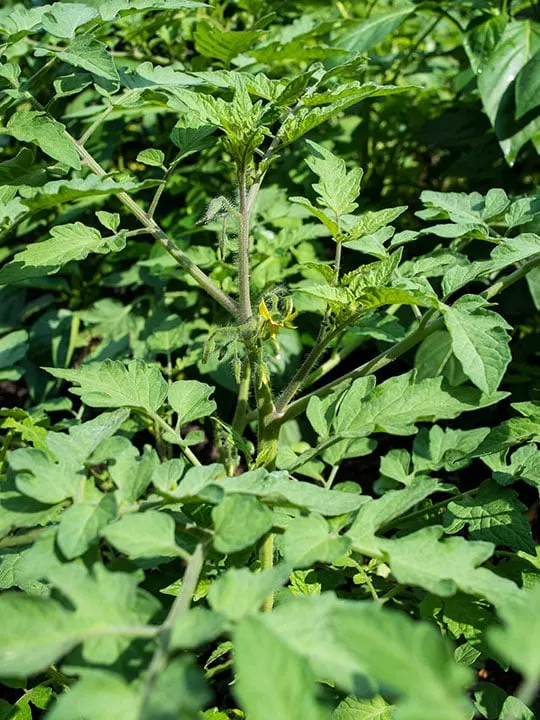


Our plants have blooms however stopped growing new baby tomatoes. Any ideas THANKS
Great information clearly presented with lots on info for the different tomato plants and growing situations. Best clear explanations and tips I’ve read over the years.
Thank you
Waiting for spring in Caledon East.
You fill the tomato planting hole with diluted fertilizer