
How to Save Tomato Seeds For Next Year
This post may contain affiliate links, my full disclosure can be read here. As an Amazon Associate I earn from qualifying purchases.
Saving your own tomato seeds for next years garden is easy and fun to do. When you learn how to save tomato seeds it also saves you a lot of money and helps to preserve heirloom tomato for generations to come.
Tomato seeds and a few other types like cucumber and melons are coated in a gel casing.
These gel casings contain growth inhibitors that keep the seeds from sprouting inside of the tomato.
You can simply squeeze tomato seeds out onto a paper towel and let them air dry but there is a better way to save tomato seeds.
In nature when a tomato falls off the plant and is left to rot on the ground this gel layer naturally breaks down and allows the tomato seed to sprout.

You can recreate this natural process by using fermentation to save your own tomato seeds. The fermentation breaks down the growth inhibitors and gel layer, it may also reduce seed-borne diseases.
How To Save Tomato Seeds For Next Year
Step 1 Clean The tomatoes
Wash your tomatoes to remove any dirt before you start to harvest the seeds.
Step 2 Cut The Tomatoes

Place your tomato onto a cutting board and cut the tomato in half across the middle.
Make sure to have a container ready to put the seeds into. I like to use a canning jar to ferment tomato seeds in but you can use any glass or plastic container.
Step 3 Squeeze Out The Tomato Seeds

Place a canning funnel over the jar if you have one it makes the job so much easier! Then gently squeeze the tomato and the seeds will come out and into the jar.
Use a spoon if needed to scoop out any that are stuck inside the tomato.
Step 4 Cover The Tomato Seeds With Water

Once you have finished squeezing the seeds out of the tomatoes add enough water to the jar so that the pulp and seeds are covered.
Step 5 Cover The Container

Next cover the jar with a coffee filter and secure with a canning ring lid.
Then label the jar with the variety of tomato. This is important if you are saving more then one type of tomato seeds. Trust me you will forget what is in each jar if you don’t label them right away!
Step 6 Ferment The Tomato Seeds
Place the jars in an out of the way place for 4–7 days. The best temperatures for fermentation are 21–26 C (70–80F)
Step 7 Rinse The Tomato Seeds
Once the fermentation process is finished you need to rinse the tomato seeds. This helps to stop the fermentation process, and separate the seeds from the pulp.
First, remove any mod from the top of the container.
Then rinse the seeds. Add more water to the container until it’s nearly full. Stir the mixture a few times, then pour off the extra water and pulp.
Dump the remain contents into a fine mesh strainer and rinse the seeds well until they are clean.
Another method we’ve found that works well and keeps the mess (and smell) out of the house is to clean the tomato seeds outside.

We simply pour the contents of the jar into a fine mesh strainer and then use the garden hose on a gentle spray to clean the seeds.

This easy method cleans the seeds up quickly.
Step 8 Dry Your Tomato Seeds

When the seeds are clean spread them out on top of some coffee filters on top of paper plates to dry.
I like to use coffee filters to dry my tomato seeds on because they don’t stick to the seeds like paper towels do. If you are drying large batches of seeds parchment paper also works.
Set the tomato seeds in a warm, dry area that is away from direct sunlight to dry. The top of your refrigerator works really well.
The seeds will take 1–2 weeks to dry.
Tips For Saving Your Own Tomato Seeds
What Does The Tomato Seed Fermentation Process Look Like?
- As the mixture starts to ferment it will turn a darker red colour and start to smell.
- The seeds will separate from the pulp and sink to the bottom of the container.
- A white, foamy mold with start to form on the top of the liquid. This mold is harmless to the seeds and you shouldn’t worry about it.
- If the temperature in the room your ferment the seeds in is to low, the mold might not form at all.
- Bubbles will start to rise up in the container.
Does Fermenting Tomato Seeds Stink?
Fermenting tomato seeds do make an unpleasant smell but it’s not that bad. It’s still a good idea to have your containers in a garage or an unused area in your home so the smell doesn’t bother anyone.
Should I Get Rid Of Tomato Seeds That Float?
Many people say that you should get rid of tomato seeds that float when you are rinsing them after fermenting.
This is because the seeds of some varieties of tomatoes will sink if they are viable and float if they are not good.
But that doesn’t work with all varieties of tomatoes. I personally keep all of my seeds except for the broken ones and have great germination rates.
How Do I know If My Tomato Seeds Are Completely Dried?
It’s very important to make sure that the tomato seeds you saved are fully dry before you store them. If they still have much moisture in the seed it can cause them to go moldy in storage.
Let the seeds dry for at least 1–3 weeks.
When they are fully dry they will be very hard. Seeds that can bend instead of snap when bent need to be dried longer.
Can You Save Seeds From A Hybrid Tomato?
No, you shouldn’t save seeds from hybrid tomato plants. Hybrid tomatoes are created by crossing specific varieties of tomatoes together. Their seed produces the hybrid tomato that you have grown.
Unfortunately, that hybrid tomato doesn’t produce its own seed that breeds true. Many seeds from hybrid plants are sterile and won’t grow.
While you might be able to get some seeds to germinate the resulting plants could end up being like either parent plant or something completely different.
For good results stick to saving seeds from open-pollinated tomato varieties.
How To Store Tomato Seeds
Once your tomato seeds are fully dry you can store them in paper envelopes, plastic bags, or glass jars.
If the tomato seeds have clumped together rub them through a small sieve or with your hands to crumble them apart before storing
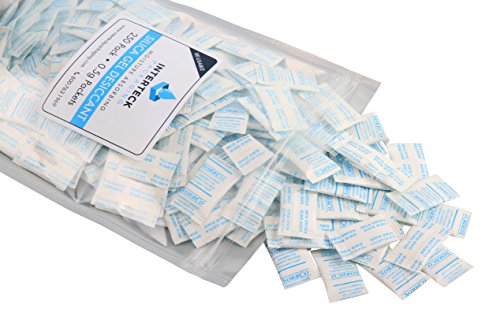
Adding silica gel packs to the containers will also help to absorb any extra moisture and extend the shelf life of your home-saved seeds.
Remember to label the container with the tomato variety name and the date you save the seeds.
Store the tomato seeds in a cool, dry place.

Want to see just how easy it is to save your own tomato seeds for next years garden? Watch our step by step video above.
You May Also Enjoy:

Kim Mills is a homeschooling mom of 6 and lives on an urban homestead in Ontario, Canada. Blogging at Homestead Acres she enjoys sharing tips to help you save money, grow and preserve your own food.




Hi, Thanks for such an enlightening article. I’m going to try and save my seeds for the first time. Can you save from tomatoes that haven’t ripened yet i.e. green? I only have one or two ripe ones left and I really want to eat those!! Thanks x
Hi Mara,
Yes, the tomatoes do need to be ripe if you are going to save seeds from them. One idea to try would be to scrape out just a few seeds from the tomato as you are slicing them to eat. You wouldn’t get as many that way if you want to keep the slices whole but you would still have some.
It also might work if you let the green tomatoes sit inside to ripen and then save the seeds. But I’ve only tried doing it from vine ripened tomatoes so I’m not 100% sure if that will work or not.